
Roof damage assessment services play a crucial role in maintaining the integrity of your home, safeguarding it against potential risks and ensuring longevity. By delving into the world of roof damage assessments, we uncover the hidden secrets that can save homeowners from costly repairs and headaches down the road.
From identifying common types of damage to exploring innovative assessment techniques, this comprehensive guide sheds light on the importance of proactive roof maintenance.
Importance of Roof Damage Assessment Services
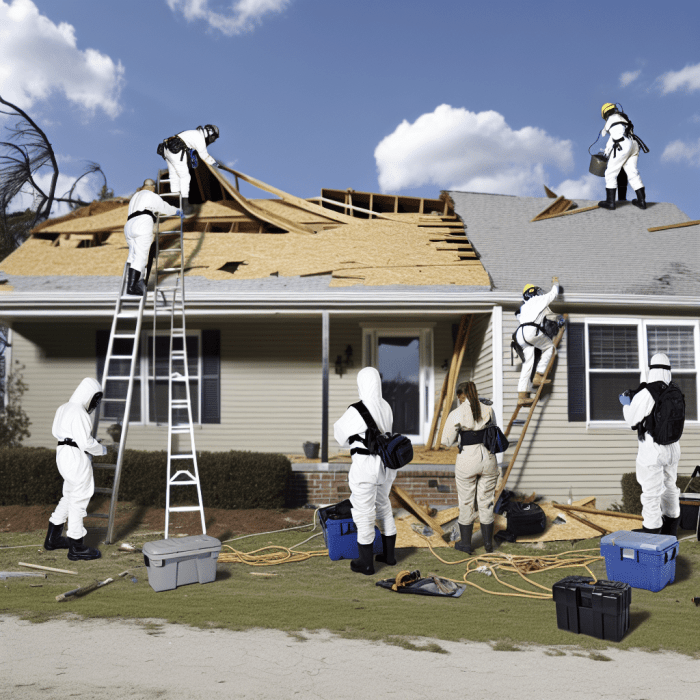
Roof damage assessment services are essential for homeowners to ensure the safety and structural integrity of their homes. By regularly assessing the condition of the roof, potential issues can be identified and addressed promptly, preventing further damage and costly repairs in the future.
Potential Consequences of Neglecting Roof Damage Assessment
- Leakages: Neglecting roof damage assessment can lead to leaks during heavy rainfall, causing water damage to the interior of the house and potentially leading to mold growth.
- Structural Damage: Over time, untreated roof damage can compromise the structural integrity of the entire house, posing a risk to the safety of occupants.
- Decreased Property Value: A damaged roof can significantly decrease the value of a property, making it harder to sell or rent out in the future.
Preventing Costly Repairs through Timely Assessments
Timely roof damage assessments can help homeowners catch minor issues before they escalate into major problems. By addressing these issues promptly, homeowners can avoid costly repairs down the line and prolong the lifespan of their roof.
Types of Roof Damage Assessed
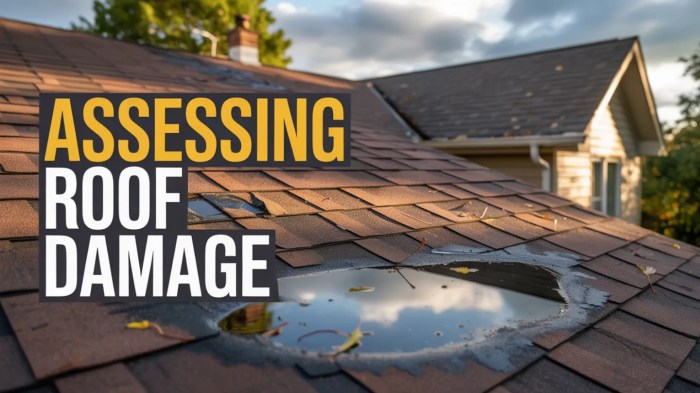
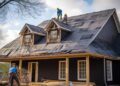
When assessing the condition of a roof, professionals look for various types of damage that can affect its integrity and longevity. These damages can be caused by a range of factors, including weather conditions, age, and the materials used in the roof construction.
Common Types of Roof Damage
- 1. Leaks: Water infiltration through the roof can cause significant damage to the structure of the building and lead to mold and mildew growth.
- 2. Missing or damaged shingles: Shingles that are cracked, curled, or missing can leave the roof vulnerable to water damage and leaks.
- 3. Hail damage: Hailstorms can cause dents, cracks, and punctures in the roof, compromising its ability to protect the building.
- 4. Wind damage: Strong winds can lift shingles, create gaps, or even tear off sections of the roof, exposing it to further damage.
- 5. Pooled water: Standing water on the roof can lead to deterioration of the materials and eventually cause leaks.
Impact of Weather Conditions
Different weather conditions can have varying effects on the roof. For example, heavy snow accumulation can put pressure on the roof structure, leading to potential collapses. High winds can cause shingles to lift or tear off, while hail can create visible damage in the form of dents and cracks.
Factors Contributing to Damage
Several factors can contribute to the damage observed on a roof. The age of the roof plays a significant role, as older roofs are more susceptible to wear and tear. The materials used in the construction of the roof also determine its durability, with some materials being more prone to damage than others.
Additionally, poor installation or lack of maintenance can accelerate the deterioration of the roof over time.
Techniques Used in Roof Damage Assessment
When professionals are called in to assess roof damage, they utilize a variety of techniques and tools to accurately evaluate the condition of the roof. These methods are crucial in determining the extent of the damage and the necessary repairs or replacements needed to ensure the safety and integrity of the structure.
Visual Inspections
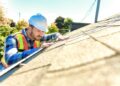
Visual inspections are the most basic yet essential technique used in roof damage assessment. Professionals visually inspect the roof to identify any visible signs of damage such as missing shingles, cracks, or leaks. By examining the roof up close, they can pinpoint areas that require further investigation or repair.
Moisture Detection
Moisture detection is another key technique used in roof damage assessment. Professionals use moisture meters and infrared cameras to detect any moisture trapped underneath the roof surface
Drone Technology
In modern assessment practices, drones have become an invaluable tool for roof damage assessment. Drones equipped with cameras can provide aerial views of the roof, allowing professionals to inspect hard-to-reach areas without the need for ladders or scaffolding. This technology not only saves time but also enhances the accuracy of the assessment.
Thermal Imaging
Thermal imaging is another advanced technology used in roof damage assessment. By using thermal cameras, professionals can detect temperature variations on the roof surface, which can indicate areas of moisture intrusion or insulation problems. This non-invasive technique helps in identifying hidden issues that may not be visible to the naked eye.Overall, the combination of visual inspections, moisture detection, drone technology, and thermal imaging allows professionals to conduct thorough and precise roof damage assessments.
These techniques play a crucial role in ensuring the safety and longevity of the roof structure.
Benefits of Professional Roof Damage Assessment
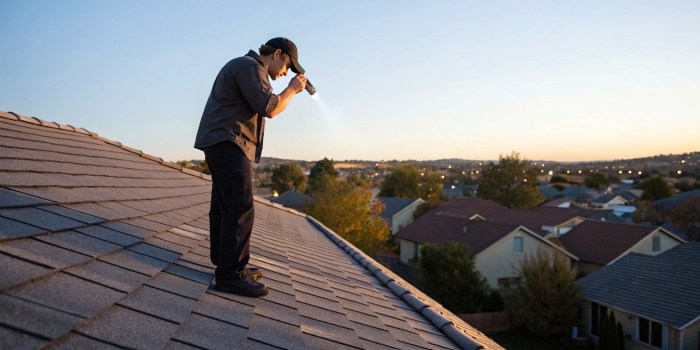
Professional roof damage assessments offer various benefits that can help homeowners in different ways.
Accurate and Comprehensive Reports
Professional roof damage assessments provide accurate and detailed reports regarding the condition of the roof. Experts can identify all types of damages, from minor issues to severe problems, ensuring that nothing goes unnoticed. These comprehensive reports help homeowners understand the extent of the damage and the necessary repairs needed to maintain the structural integrity of the roof.
Insurance Claims and Negotiations
Expert assessments play a crucial role in insurance claims and negotiations. Insurance companies often require a detailed assessment report to process claims related to roof damage. Professional assessors can provide thorough documentation of the damage, including photographs, measurements, and repair estimates.
This information is essential for homeowners to support their insurance claims and negotiate fair settlements with their insurance providers.
Extend the Lifespan of a Roof
Regular roof damage assessments can help extend the lifespan of a roof by detecting issues early on and addressing them promptly. By identifying and repairing damages in a timely manner, homeowners can prevent minor problems from escalating into major issues that could compromise the roof's durability and longevity.
Investing in professional assessments on a regular basis can ultimately save homeowners money by avoiding costly repairs or premature roof replacements.
Epilogue
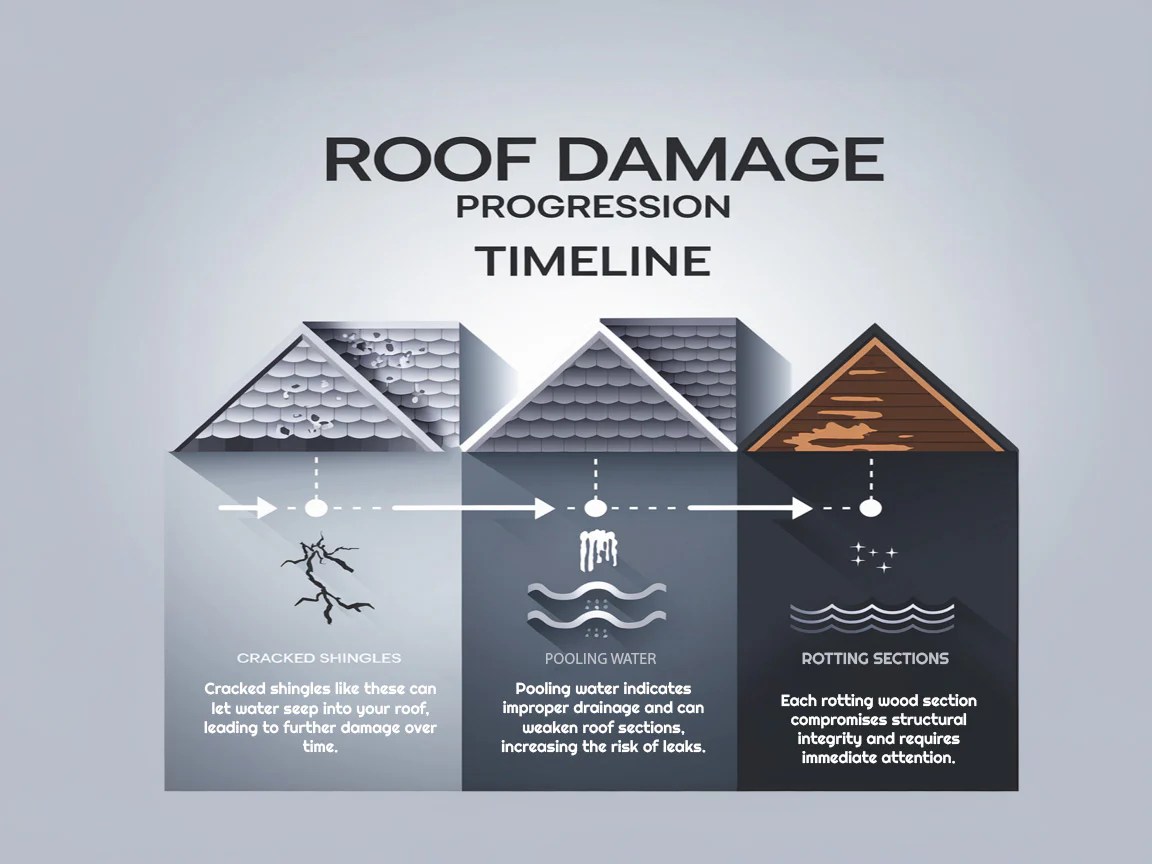
In conclusion, roof damage assessment services serve as a vital tool in preserving the structural health of your home. By staying ahead of potential issues and leveraging professional expertise, homeowners can enjoy peace of mind and a secure living environment for years to come.
FAQ Insights
What are the consequences of neglecting roof damage assessments?
Neglecting roof damage assessments can lead to larger issues such as leaks, structural damage, and increased repair costs over time. It's essential to address any potential damage promptly.
How do different weather conditions impact roof damage?
Extreme weather conditions like heavy rain, snow, or hail can accelerate wear and tear on a roof, leading to damage that may require immediate attention. Regular assessments can help identify these issues early.
Why is technology like drones and thermal imaging important in roof assessments?
Drones and thermal imaging allow professionals to conduct thorough assessments from various angles and detect hidden issues that may not be visible to the naked eye, ensuring a comprehensive evaluation.
How can professional roof assessments help with insurance claims?
Professional roof assessments provide detailed reports that insurance companies can use to process claims efficiently. They also help homeowners negotiate fair settlements based on accurate assessments of the damage.
Why is it important to assess the age and material of a roof during inspections?
The age and material of a roof can impact its susceptibility to damage. Understanding these factors allows professionals to tailor assessments and maintenance plans to ensure the roof's longevity and structural integrity.