
As the focus shifts to commercial roofing inspection costs, readers are invited into a world of detailed insights and valuable information presented in a professional tone.
The following paragraph will delve into the specifics of this important topic, shedding light on key aspects and considerations.
Overview of Commercial Roofing Inspection Costs
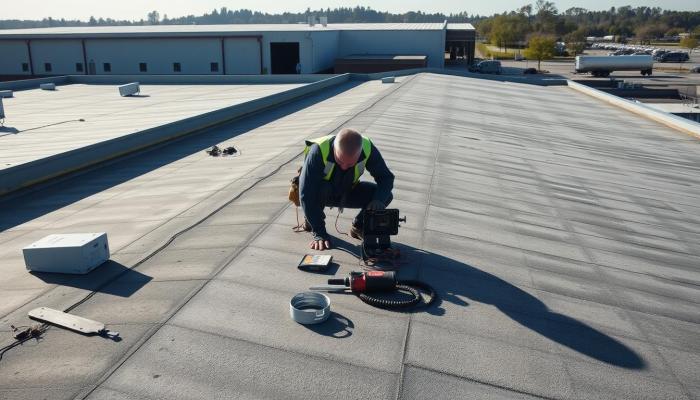
When it comes to commercial roofing inspections, the cost can vary depending on several factors. These factors can include the type of inspection needed, the size and complexity of the commercial roof, as well as the materials used in the roof's construction.
Factors Contributing to Inspection Costs
- The type of inspection required, such as a routine maintenance inspection, a leak detection inspection, or a pre-purchase inspection, can all impact the overall cost.
- The size of the commercial roof will also play a significant role in determining the inspection cost. Larger roofs typically require more time and resources to inspect thoroughly.
- The complexity of the roof, including the number of levels, slopes, and unique architectural features, can also affect the cost of the inspection.
Types of Commercial Roofing Inspections and Costs
Here are some examples of different types of commercial roofing inspections and their associated costs:
| Inspection Type | Cost Range |
|---|---|
| Routine Maintenance Inspection | $200
|
| Leak Detection Inspection | $300
|
| Pre-Purchase Inspection | $500
|
Effect of Size and Complexity on Pricing
- Larger commercial roofs will generally have higher inspection costs due to the increased time and resources needed to complete a thorough inspection.
- Complex roof designs with multiple levels, slopes, and architectural details may require specialized equipment and expertise, leading to higher inspection costs.
- In some cases, the materials used in the construction of the roof can also impact the inspection cost, especially if specialized testing or analysis is required.
Cost Comparison
When it comes to commercial roofing inspections, there are two main options to consider: conducting a DIY inspection or hiring a professional. Each approach has its own set of advantages and disadvantages, especially when it comes to cost.
DIY Inspection
- Advantages:
- Cost-effective as you won't have to pay for professional services.
- Allows for flexibility in scheduling and conducting the inspection at your convenience.
- Disadvantages:
- Lack of expertise and specialized equipment may lead to missed issues or incorrect assessments.
- If mistakes are made during the inspection, it could end up costing more to fix later on.
Professional Inspection
- Benefits:
- Professional roofers have the necessary knowledge, experience, and tools to conduct a thorough inspection.
- Early detection of potential problems can prevent costly repairs or replacements in the future.
- Insurance and warranties may be available with professional inspections, providing added protection and peace of mind.
Impact on Overall Costs
Investing in a professional commercial roofing inspection may seem like an added expense upfront, but it can actually save money in the long run. By identifying issues early on, preventive measures can be taken to avoid more significant and costly repairs down the line.
Additionally, professional inspections can help extend the lifespan of your commercial roof, reducing the need for frequent repairs and replacements. Ultimately, the expertise and thoroughness of a professional inspection can provide valuable insights that DIY inspections may overlook, potentially saving you money and headaches in the future
Average Cost Range for Commercial Roofing Inspections
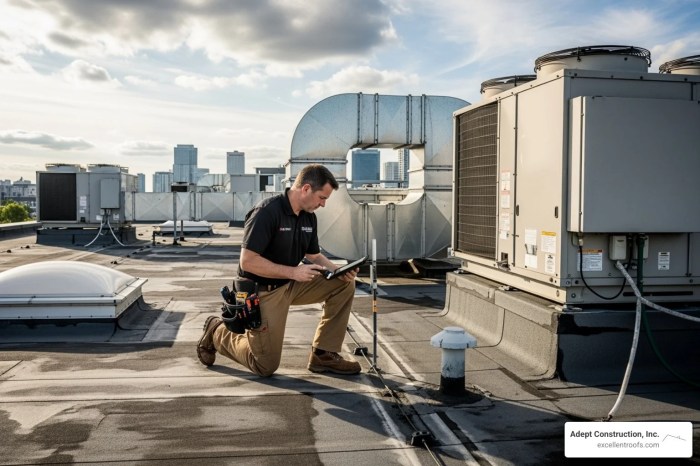
Commercial roofing inspections can vary in cost depending on various factors. On average, the cost range for a typical commercial roofing inspection can fall between $200 to $1,000. This range includes basic visual inspections to more detailed assessments.
Influence of Location on Inspection Costs
The location of the commercial property can significantly impact inspection costs. In areas with higher living costs or where roofing materials are more expensive, inspection costs tend to be on the higher end of the spectrum. Additionally, regions prone to extreme weather conditions may require more frequent and thorough inspections, leading to increased costs.
Routine Maintenance vs. In-Depth Assessments
Routine maintenance inspections are generally more affordable, ranging from $200 to $500, as they involve basic checks for signs of wear and tear and minor repairs. On the other hand, more in-depth assessments like leak detection or storm damage inspections can cost between $500 to $1,000 or more, depending on the extent of the damage and the complexity of the inspection process.
Factors Influencing Commercial Roofing Inspection Costs
When it comes to commercial roofing inspection costs, several key factors can influence the pricing provided by different roofing contractors. These factors play a crucial role in determining the overall cost of the inspection.
Material of the Commercial Roof
The type of material used for the commercial roof can significantly impact inspection costs. For instance, roofs made of more expensive materials may require specialized equipment or expertise for inspection, leading to higher costs. On the other hand, roofs with common materials may have lower inspection costs as they are easier to assess.
Age of the Commercial Roof
The age of the commercial roof is another important factor that can affect inspection costs. Older roofs may require more thorough inspections to check for wear and tear, leaks, or structural issues. This comprehensive assessment can lead to higher inspection costs compared to newer roofs that may not have as many issues.
Previous Maintenance History
The maintenance history of the commercial roof also plays a significant role in determining inspection costs. Roofs that have been well-maintained and regularly serviced may have lower inspection costs as they are less likely to have extensive damage or issues.
On the other hand, roofs with a history of neglect or lack of maintenance may require more in-depth inspections, resulting in higher costs.
Additional Services like Drone Inspections or Thermal Imaging
Some roofing contractors offer additional services such as drone inspections or thermal imaging to provide a more comprehensive assessment of the commercial roof. These advanced techniques can help identify hidden issues or damage that may not be visible during a standard inspection.
However, these additional services can increase the overall inspection pricing due to the use of specialized equipment and expertise.
Epilogue
In conclusion, the discussion on commercial roofing inspection costs encapsulates the nuances and complexities of maintaining commercial properties. It's clear that thorough inspections are crucial for preserving the integrity of these structures.
Clarifying Questions
What factors contribute to the cost of commercial roofing inspections?
Factors such as roof size, material, complexity, and location can all influence the overall cost of a commercial roofing inspection.
What are the advantages of hiring a professional for a commercial roofing inspection?
Professionals bring expertise, specialized tools, and experience to ensure a thorough inspection, potentially saving money in the long run by identifying issues early.
How do regional pricing differences affect inspection costs?
Regional pricing discrepancies can impact inspection costs due to varying labor costs, regulations, and market demand in different areas.
What role do additional services like drone inspections play in determining inspection pricing?
Advanced services like drone inspections can provide more comprehensive data but may incur additional costs due to the technology and expertise involved.