
Diving into the realm of roof installation inspection services, this introduction sets the stage for a comprehensive exploration of the topic. From the significance of regular inspections to the various types and processes involved, this discussion aims to shed light on the importance of maintaining a well-inspected roof for the longevity of any building.
As we delve deeper into the intricacies of roof installation inspections, we uncover the key aspects that contribute to the overall health and safety of a structure.
Importance of Roof Installation Inspection Services
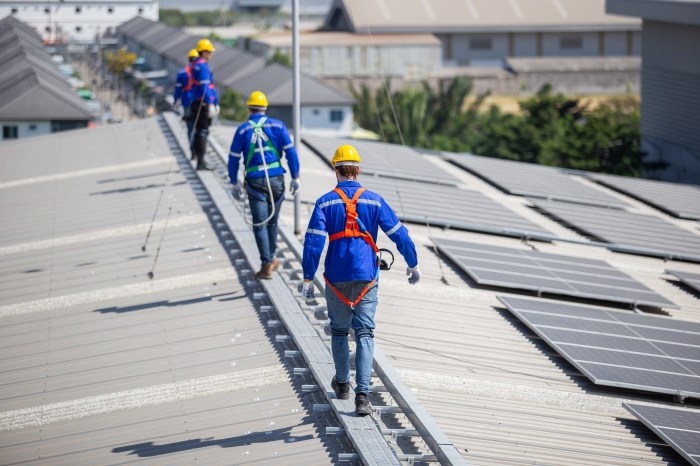
Regular roof installation inspections are crucial for ensuring the longevity and structural integrity of a building. By conducting timely inspections, potential risks or damages can be identified and addressed before they escalate into more significant issues, ultimately saving costs in the long run.
Prevention of Water Damage
Water damage is one of the most common issues that can arise from a faulty roof installation. Leaks and seepage can lead to mold growth, structural deterioration, and even compromise the safety of the building's occupants. Through regular inspections, areas of concern can be identified and repaired promptly, preventing water damage and its associated consequences.
Early Detection of Roof Wear and Tear
Over time, roofs are subjected to wear and tear from various elements such as weather conditions, debris, and aging. Regular inspections can help detect signs of deterioration, such as cracked shingles, loose flashing, or sagging areas. By addressing these issues early on, extensive damage can be avoided, extending the lifespan of the roof and saving on costly repairs or replacements.
Ensuring Proper Ventilation and Insulation
Roof inspections also play a crucial role in ensuring that the ventilation and insulation systems are functioning correctly. Poor ventilation can lead to moisture buildup, which can contribute to mold growth and compromise indoor air quality. Likewise, inadequate insulation can result in energy loss and increased utility bills.
Through inspections, these issues can be identified and rectified, improving the overall comfort and efficiency of the building.
Compliance with Building Codes and Regulations
Regular roof inspections also help ensure that the building is in compliance with local building codes and regulations. By addressing any issues promptly, property owners can avoid potential fines or penalties for non-compliance. Additionally, proper maintenance and inspection records can be valuable in case of insurance claims or property transactions.
Types of Roof Installation Inspections
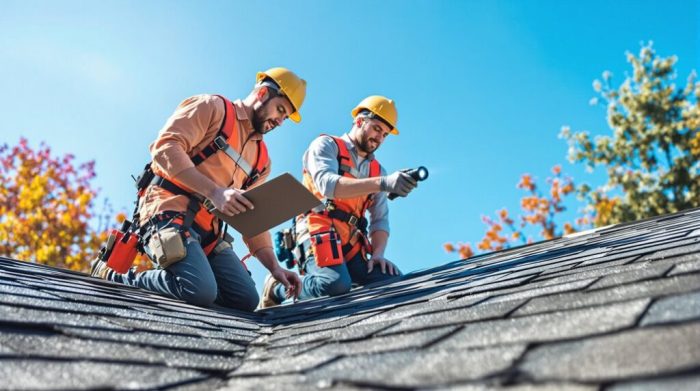
When it comes to roof installation inspections, there are several types that are typically conducted to ensure the quality and safety of the roofing system. These inspections play a crucial role in identifying any issues or potential problems that may arise during or after the installation process.
Initial Inspections
Initial inspections are conducted before the actual installation of the roof to assess the condition of the existing roof structure. This helps in determining if any repairs or replacements are needed before the new roof can be installed. It also allows for proper planning and preparation to ensure a smooth installation process.
Routine Inspections
Routine inspections are carried out during the installation process to monitor the progress and quality of work being done. These inspections help in identifying any deviations from the planned installation process and allow for corrections to be made in a timely manner.
Regular monitoring ensures that the roof is being installed according to the required standards and specifications.
Post-Installation Inspections
After the roof installation is completed, post-installation inspections are conducted to check the final work and ensure that everything has been done correctly. These inspections help in identifying any missed issues or errors that may need to be rectified before handing over the project to the homeowner.
It ensures that the roof is properly installed and meets all safety and quality standards.
Specialized Inspections
Specialized inspections may be required for specific roof types or materials that have unique installation requirements. For example, roofs with solar panels, green roofs, or metal roofs may need specialized inspections to ensure that the installation is done correctly and that all components are functioning as intended.
These inspections help in maintaining the integrity and longevity of the roof system.
Process of Roof Installation Inspection Services
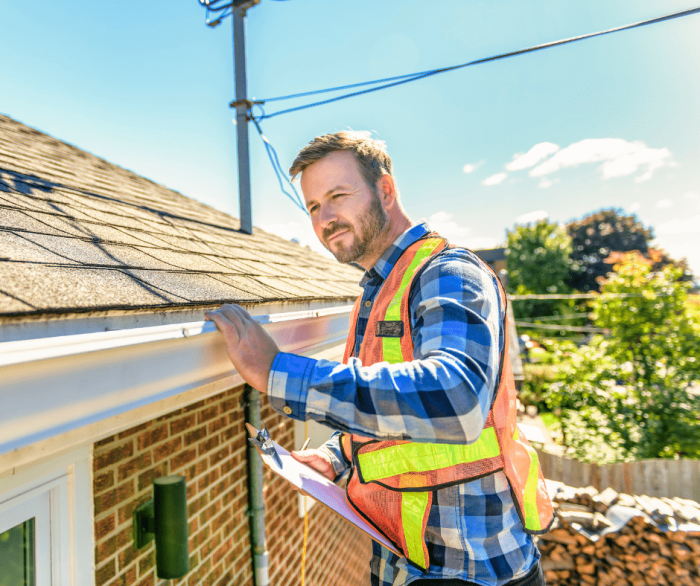
Inspecting a roof during installation is a crucial step to ensure its longevity and effectiveness. Professionals follow a systematic procedure to assess the condition of the roof, identify any issues, and recommend suitable solutions
Assessment Procedure
During a roof installation inspection, professionals typically follow these steps:
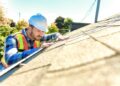
- Visual Inspection: Inspectors visually examine the roof to identify any visible damage, such as missing shingles, cracks, or leaks.
- Moisture Detection: Utilizing tools like moisture meters, inspectors check for any signs of water intrusion or moisture damage.
- Structural Inspection: Inspectors assess the structural integrity of the roof, looking for sagging areas or signs of rot.
Identifying Issues and Recommendations
After assessing the roof, inspectors compile a detailed report outlining any issues found and recommending appropriate solutions:
- Roof Damage: Inspectors identify any damage to the roof and recommend repairs or replacements as needed.
- Maintenance Recommendations: Inspectors may suggest maintenance tasks to prevent future damage and prolong the lifespan of the roof.
- Improvement Suggestions: If needed, inspectors may recommend improvements to enhance the performance and durability of the roof.
Tools and Technologies
Modern roof inspection services utilize advanced tools and technologies to enhance the accuracy and efficiency of the inspection process:
- Drone Technology: Drones are used to capture aerial footage of the roof, providing a comprehensive view without the need for physical access.
- Thermal Imaging Cameras: These cameras help identify hidden moisture or insulation issues by detecting temperature variations on the roof surface.
- Moisture Meters: Inspectors use moisture meters to measure the level of moisture in roofing materials, aiding in the detection of leaks or water damage.
Qualifications of Roof Inspection Service Providers
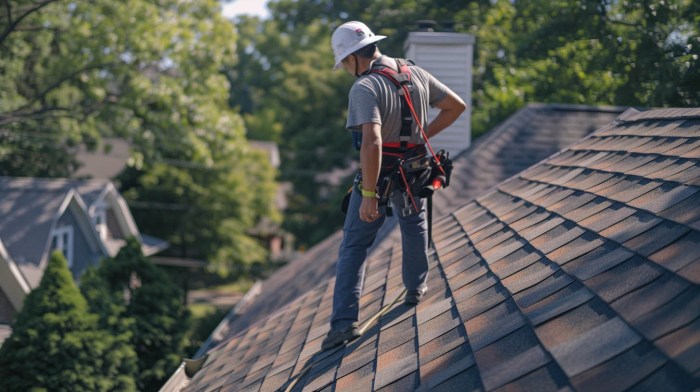
When looking for a reputable roof inspection service provider, it is crucial to consider their qualifications and certifications. This ensures that you are dealing with professionals who have the necessary skills and knowledge to assess your roof effectively.
Importance of Experience and Expertise
Experienced and knowledgeable roof inspection service providers are essential for identifying potential issues with your roof and recommending appropriate solutions. Their expertise allows them to conduct thorough inspections and provide accurate assessments, giving you peace of mind knowing that your roof is in good hands.
- Look for providers who are certified by reputable organizations such as the National Roof Certification and Inspection Association (NRCIA) or the International Association of Certified Home Inspectors (InterNACHI).
- Check for relevant licenses and insurance to ensure that the service provider meets industry standards and regulations.
- Consider the reputation of the provider by looking at reviews and testimonials from previous clients to gauge their level of expertise and professionalism.
- Ask about the experience of the inspectors and inquire about their training and knowledge of different roofing materials and techniques.
- Ensure that the provider offers a detailed inspection report with findings, recommendations, and cost estimates for any necessary repairs or replacements.
Final Wrap-Up
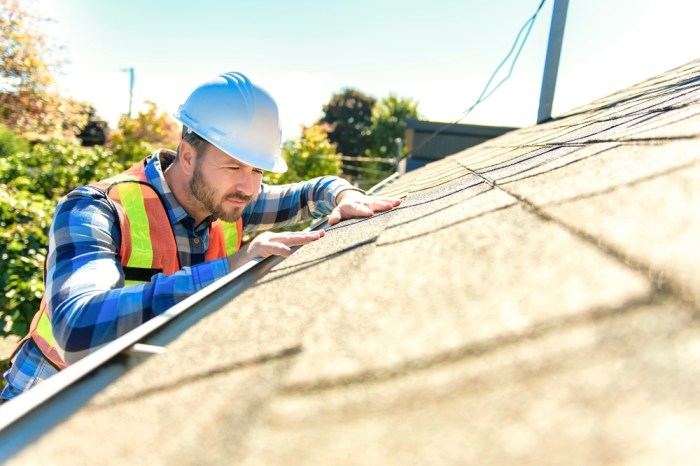
In conclusion, roof installation inspection services play a crucial role in safeguarding properties against potential risks and damages. By understanding the significance of routine inspections and the expertise required for effective assessments, individuals can make informed decisions to protect their investments and ensure the durability of their roofs.
Commonly Asked Questions
What are the benefits of regular roof installation inspections?
Regular inspections help identify potential issues early, prevent costly damages, and ensure the longevity of the building.
What types of inspections are typically conducted during roof installation?
Initial, routine, and post-installation inspections are common, along with specialized inspections for specific roof types or materials.
What qualifications should a reputable roof inspection service provider have?
A reputable provider should possess certifications, relevant experience in the field, and a track record of successful inspections.