
As industrial flat roofing systems take the spotlight, this opening passage invites readers into a world of knowledge, ensuring an absorbing and original reading experience.
Delve into the realm of industrial flat roofing systems to understand the nuances and complexities that define this crucial aspect of construction.
Types of Industrial Flat Roofing Systems
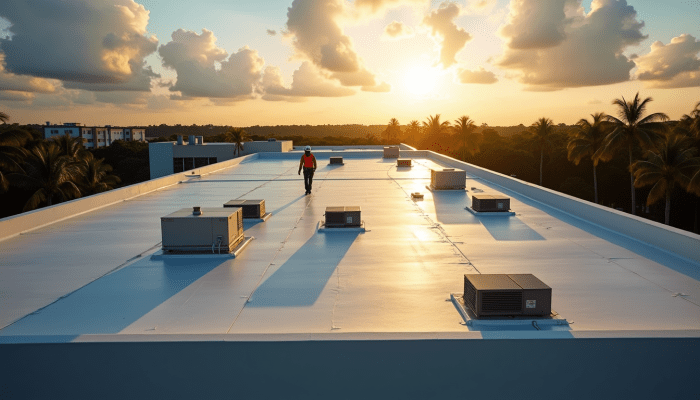
Industrial flat roofing systems come in various types, each with its own set of materials, advantages, and disadvantages. Here, we will explore some common options used in industrial settings.
Single-Ply Membrane Roofing
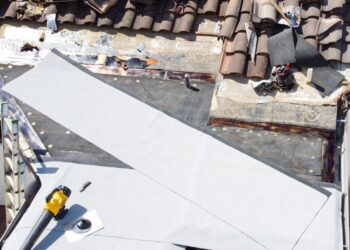
Single-ply membrane roofing is a popular choice for industrial buildings due to its ease of installation and cost-effectiveness. Materials like EPDM, TPO, and PVC are commonly used for this type of roofing. These membranes offer good durability and weather resistance.
However, they may be vulnerable to punctures and require regular maintenance to ensure longevity.
Built-Up Roofing (BUR)
Built-Up Roofing systems consist of multiple layers of bitumen and reinforcing fabrics such as fiberglass or polyester. This type of roofing is known for its excellent waterproofing properties and durability. However, BUR systems are heavy and require professional installation, making them more expensive than other options.
Metal Roofing
Metal roofing systems, such as standing seam or corrugated metal, are popular for their longevity and energy efficiency. They are resistant to fire, extreme weather, and pests. While metal roofs are durable and low maintenance, they can be noisy during rain and may require insulation to reduce heat transfer.
Spray Polyurethane Foam (SPF) Roofing
SPF roofing involves spraying a mixture of polyurethane foam and protective coatings onto the roof surface. This seamless system provides excellent insulation and waterproofing properties. However, SPF roofs may require reapplication of protective coatings every few years to maintain their effectiveness.
Green Roofing
Green roofing systems involve covering the roof with vegetation, providing natural insulation and stormwater management benefits. While green roofs offer environmental advantages and can prolong the lifespan of the roof membrane, they require regular maintenance and may be costly to install initially.
Installation Process
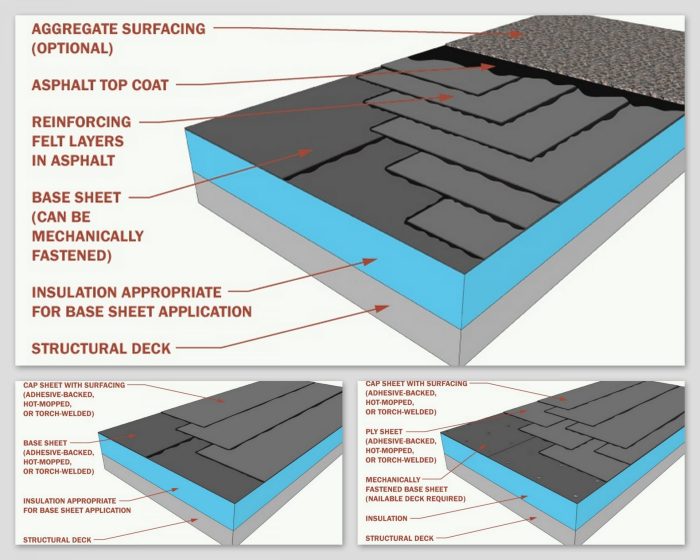
Industrial flat roofing systems are typically installed in a step-by-step process to ensure durability and longevity. The installation process involves several key steps, along with the use of specific tools and equipment. Let's delve into the details of how industrial flat roofing systems are installed.
Preparation of the Roof Surface
Before installing the industrial flat roofing system, the roof surface must be cleaned and prepared. This involves removing any debris, dirt, or existing roofing materials. The surface should be smooth and free of any obstacles that could interfere with the installation process.
Installation of Insulation
The next step involves installing insulation materials on the roof surface. This is crucial for providing thermal protection and energy efficiency. The insulation is typically laid out in layers to ensure proper coverage and insulation properties.
Application of Waterproofing Membrane
Once the insulation is in place, a waterproofing membrane is applied over the entire roof surface. This membrane acts as a barrier against water infiltration and helps to protect the underlying structure from moisture damage. The membrane is carefully installed and sealed to ensure a watertight finish.
Installation of Roofing Material
After the waterproofing membrane is in place, the actual roofing material is installed. This can vary depending on the specific type of industrial flat roofing system being used, such as built-up roofing, single-ply membrane roofing, or modified bitumen roofing. The roofing material is carefully laid out and secured to the roof surface.
Finishing Touches
To complete the installation process, finishing touches are added to the industrial flat roofing system. This may include installing flashing, trim, or other accessories to ensure a polished and professional look. Proper drainage systems are also put in place to ensure water runoff and prevent ponding on the roof surface.Overall, the installation of an industrial flat roofing system requires precision, attention to detail, and the use of specialized tools and equipment to achieve a quality finish that will protect the building for years to come.
Maintenance and Repairs
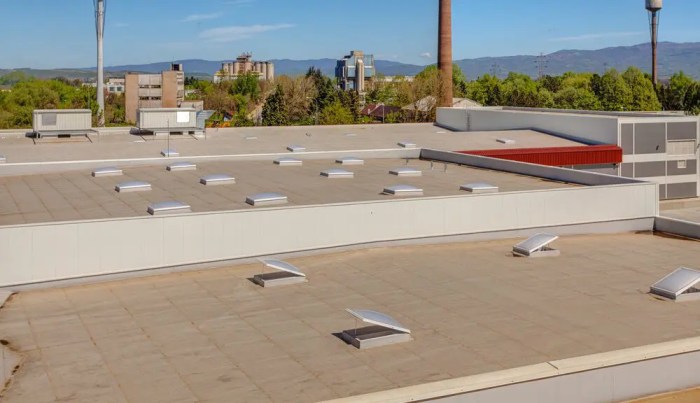
Proper maintenance and timely repairs are essential for ensuring the longevity and performance of industrial flat roofing systems.
Best Practices for Maintenance
- Regular inspections: Schedule routine inspections to identify any signs of damage or wear early on.
- Clean gutters and drains: Ensure proper drainage to prevent water pooling and potential leaks.
- Trim nearby trees: Keep branches trimmed to prevent damage from falling debris and minimize the risk of blockages.
- Address small issues promptly: Fix minor damages quickly to prevent them from escalating into larger problems.
Common Issues Requiring Repairs
- Leaks: Leaks are a common issue in industrial flat roofing systems and should be addressed immediately to prevent water damage.
- Blisters and bubbles: These can indicate trapped moisture and may lead to membrane separation if not repaired.
- Ponding water: Standing water can weaken the roof structure and lead to leaks, so it should be addressed promptly.
- Cracks and punctures: These can compromise the integrity of the roof and should be repaired to prevent further damage.
Tips for Addressing Leaks or Damages
- Locate the source: Identify the origin of the leak or damage to determine the appropriate repair method.
- Use quality materials: Opt for high-quality materials when making repairs to ensure durability and longevity.
- Hire professional help: For complex repairs or extensive damage, it's best to seek the assistance of experienced roofing professionals.
- Consider preventive measures: Implement preventative measures, such as adding extra protection layers or coatings, to minimize the risk of future issues.
Sustainability and Energy Efficiency
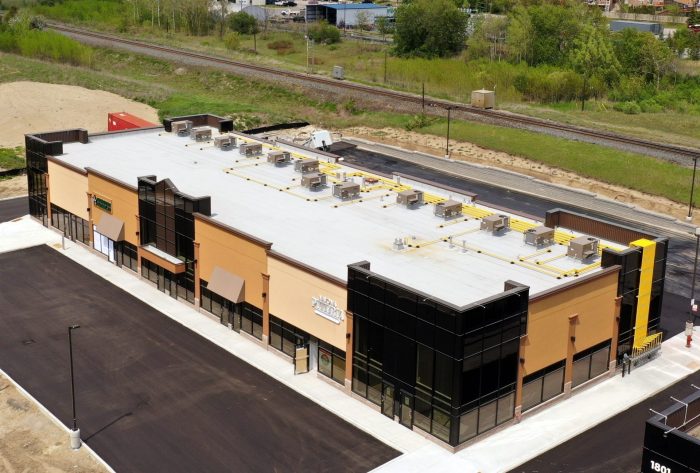
Industrial flat roofing systems play a crucial role in promoting sustainability by providing a long-lasting and durable solution for commercial buildings. These systems are designed to reduce energy consumption, minimize waste, and support eco-friendly practices in the construction industry.
Benefits of Energy-Efficient Industrial Flat Roofing Systems
- Energy Savings: Energy-efficient roofing systems help reduce the need for heating and cooling, leading to lower energy costs for the building.
- Reduced Environmental Impact: By using sustainable materials and design strategies, industrial flat roofing systems can minimize carbon footprint and contribute to a healthier environment.
- Longevity: Energy-efficient roofing systems are built to last, reducing the frequency of replacements and minimizing waste generation.
Examples of Eco-Friendly Materials
- Solar Reflective Coatings: These coatings reflect sunlight, reducing heat absorption and cooling costs for the building.
- Vegetative Roofing Systems: Green roofs incorporate vegetation to improve insulation, reduce stormwater runoff, and enhance air quality.
- Recycled Roofing Materials: Using recycled content in roofing materials helps conserve natural resources and reduce landfill waste.
Outcome Summary
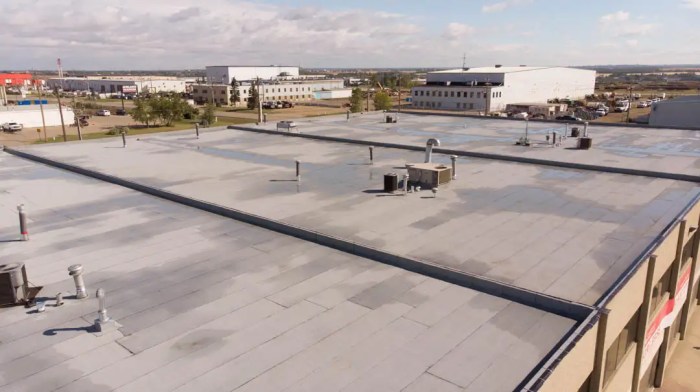
In conclusion, industrial flat roofing systems stand as pillars of strength in the realm of construction, offering durability, sustainability, and efficiency. Dive deeper into this topic to unlock the secrets of these essential systems.
Commonly Asked Questions
What are the most common types of industrial flat roofing systems?
Common types include built-up roofing, modified bitumen, EPDM, TPO, and PVC.
What tools and equipment are needed for installing an industrial flat roofing system?
Tools such as roofing nails, hammers, roof cutters, and safety gear are essential for a successful installation.
How can leaks or damages in industrial flat roofing systems be addressed?
Leaks or damages can be repaired by identifying the source, cleaning the area, and applying a suitable patch or sealant.